
A trader facing rapid market swings often shifts into USDT first, showing how USDT acts as a stable, predictable settlement asset across major platforms. Many newcomers make a similar choice when entering the market for the first time, sometimes starting by deciding to buy tether with debit card on a reliable exchange so they can hold a stable asset before moving into trading or DeFi. This early step mirrors how experienced traders use USDT as their neutral base for managing risk.

Why Preparation Matters More Than Prediction in Crypto
Keep part of your savings in assets you can turn into cash quickly and with minimal loss—your safety valve for life’s “pay now” moments. Liquidity […]
What Really Moves Crypto Prices? A Complete Breakdown of the Key Drivers
Crypto prices move because fixed or flexible supply meets bursty demand across fragmented exchanges, and thin liquidity turns small trades into big swings. Bitcoin has […]

Cardano vs. Solana: Which Network Has Stronger Developer Momentum?
The blockchain landscape continues to evolve rapidly, with smart contract platforms competing for developer mindshare and institutional adoption. Among the most prominent contenders, Cardano and Solana have emerged as leading alternatives to Ethereum, each offering distinct approaches to scalability and developer engagement. For those looking to understand this ecosystem better, resources like how to buy solana provide practical entry points into these emerging platforms

Polkadot’s Parachain Ecosystem Explained
Polkadot’s parachain ecosystem represents a revolutionary approach to blockchain architecture, where specialized Layer 1 blockchains operate in parallel alongside the central Relay Chain. These parachains function as independent sovereign networks while benefiting from shared security and seamless interoperability within the broader Polkadot multichain infrastructure.
Is Avalanche Still a Worthy Ethereum Competitor?
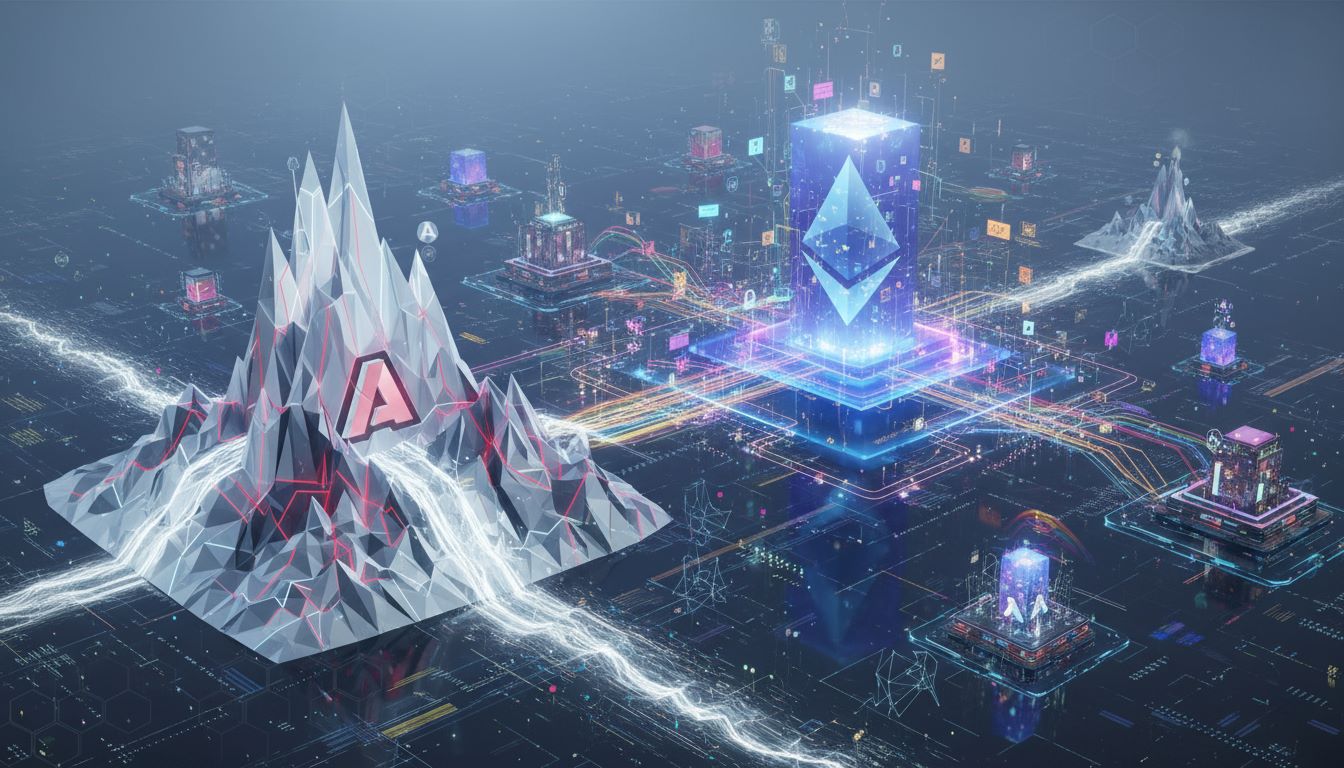
Avalanche emerged as a high-performance challenger to Ethereum with rapid transactions, low fees, and customizable networks. Launched in 2020, this blockchain platform promised to solve many of the scalability issues that plagued first-generation networks, positioning itself as a viable alternative for developers and enterprises seeking faster, more cost-effective solutions.

Real-World Asset (RWA) Tokens: The Next Trillion-Dollar Altcoin Narrative?
Real-World Asset (RWA) tokens are emerging as blockchain’s most compelling bridge between traditional finance and decentralized innovation, representing a paradigm shift that could unlock trillions in previously illiquid value. By tokenizing everything from real estate and commodities to treasury bills and carbon credits, RWAs are creating programmable, fractionalized ownership of tangible assets on blockchain networks.
Ethereum’s Next Upgrade: What It Means for Gas Fees and Scaling
Ethereum is gearing up for its next major upgrade, known as Fusaka, scheduled for late 2025. This highly anticipated network enhancement promises to deliver significant improvements in reducing gas fees, enhancing scaling capabilities, and fundamentally reshaping how users interact with the Ethereum network. Following the success of previous upgrades like Dencun and Pectra, Fusaka represents another crucial step in Ethereum’s ongoing evolution toward a more efficient and accessible blockchain infrastructure.
Top 10 Altcoins with Real-World Utility in 2025
The cryptocurrency landscape has undergone a dramatic transformation since the speculative peaks of 2021. As we move through 2025, the market has increasingly shifted away from meme coins and hype-driven investments toward altcoins with documented, real-world utility. This evolution reflects a maturing ecosystem where blockchain technology is finally delivering on its promise to solve tangible problems across industries ranging from finance and supply chain to identity verification and data management.